What Is The Shelf Life Of An Unopened Disposable Device
Short answer: a sealed, unopened device doesn't have a hard expiry date the way food does, but it does age. Most units are built to sit on a shelf for a couple of years without failing, yet the taste and battery performance are at their best well inside that window — realistically, the first six to twelve months after production are when a device is at its peak. This guide explains what actually happens inside an unopened device over time, what speeds that ageing up, and how to make sure what you're buying is fresh in the first place.
What You Need To Know About Shelf Life
Three things age inside a sealed device, and none of them stop just because the box is shut. First, the liquid: flavour compounds slowly oxidise, so a device that sat for a long time can taste flat or slightly different from a fresh one, even though it was never opened. Second, the battery: lithium cells self-discharge gradually on their own, month after month, whether or not the device is used. Third, the seals and wick: rubber and silicone parts stiffen over time, and heat makes that happen faster.
None of this is dramatic over a few months — which is why shelf life is a slow fade rather than a cliff. A device stored six months in a cool drawer will behave almost identically to a new one. A device that spent a year in a hot stockroom or a delivery truck through an Australian summer may well taste duller and hit weaker than it should have. The environment matters as much as the time on the clock.
Key Factors To Consider
Temperature Is The Big One
Heat is what turns "a couple of years on a shelf" into "noticeably older within months". Warm storage speeds up oxidation in the liquid and hardens the seals, and it's the same reason we tell people not to leave devices in the car. Room temperature in a shaded, indoor spot is the benchmark. Our full guide on storing devices in Australia's climate goes into the specifics of Australian summers and where exactly to keep spare units at home.
Keep The Factory Seals Intact
The silicone stoppers and the sealed body are doing real work while the device sits unused — they keep air out of the tank and liquid settled where it belongs. A device with a stopper removed or packaging torn open is no longer "unopened" in any meaningful sense; its ageing clock runs much faster from that point. Keep everything capped until the day you actually use it.
The Battery Ticks Down Quietly
An unopened device loses a little charge every month through self-discharge. Over three or six months this is negligible — you'd never notice. Over a couple of years, especially combined with warm storage, it adds up, and it's one reason a long-stored device can die before its tank runs dry. Batteries inside quality units hold up better than cheap cells, which is one more reason to choose a device based on the specs that matter rather than just the puff count on the box.
Fresh Stock Beats Long Shelf Life
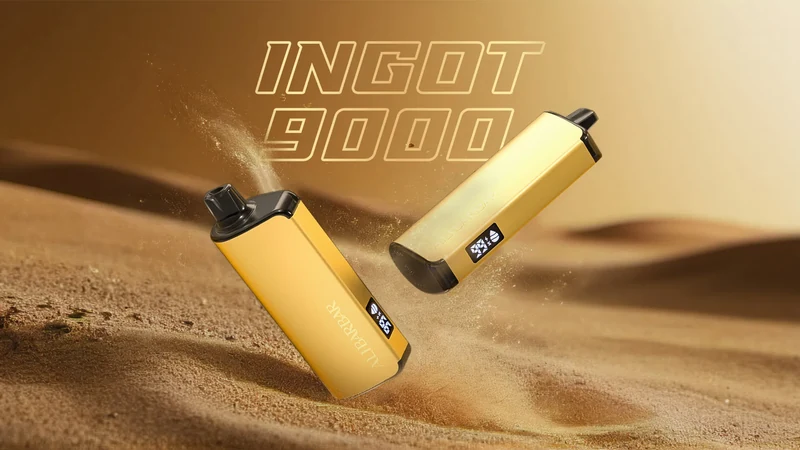
The practical takeaway: rather than researching how long a device can theoretically sit, buy from a store where stock moves quickly and you never need to care. Fast rotation means the unit you receive was produced recently, not pulled from the back of a warehouse. Popular models like the Ingot 9000 and the IGET Bar Pro 10000 restock constantly on our store, so what arrives at your door is about as fresh as it gets.
Frequently Asked Questions
How long does an unopened disposable device actually last?
There's no single official figure across brands, but a sealed unit kept cool and dark stays good for a long time — most are built to survive a couple of years of storage. The honest framing: it won't suddenly go "off", but flavour and battery performance peak in the first six to twelve months and fade gently from there.
Does an unopened device lose battery while sitting?
Yes, slowly — every lithium cell self-discharges over time. It's minor over months, and if a device that's been stored for a year or more performs weakly, that slow drain plus heat is usually why. Storage conditions decide how much of this you ever notice.
Is it bad to use a device that's been stored for a long time?
The realistic risk is quality, not anything worse: flavour that's faded, a weaker draw, or a battery that gives out early. That's the whole reason we restock fast-moving models regularly instead of letting old units sit around. If a very old device tastes dull or hits oddly, that's the ageing, and replacing it is the sensible move.
Can I tell how old a device is?
Some packaging carries a batch or production code, but formats vary between brands and aren't always printed. The more reliable signal is the seller: a store with quick stock turnover and fresh-arrivals listings will always beat a mystery warehouse. For related everyday questions, our disposable device FAQ for Australia covers the common ones.
Should I put unopened devices in the fridge to extend shelf life?
No. Fridge humidity and the condensation that forms when you take a device out cause more problems than the cold solves. A cool indoor drawer is already the ideal environment — no appliance required.
Final Tips
If you're buying a couple of units ahead, the plan is simple: keep them sealed, upright, and indoors away from sun, and use them within a few months rather than "saving" them indefinitely. Buy from a store with fast stock rotation and shelf life becomes a non-issue in practice. And if you're unsure what to look for when comparing models before you order, our guide on how to choose a disposable device in Australia walks through it.
Looking for high-capacity multi-option models? Browse our full collection to find your match.